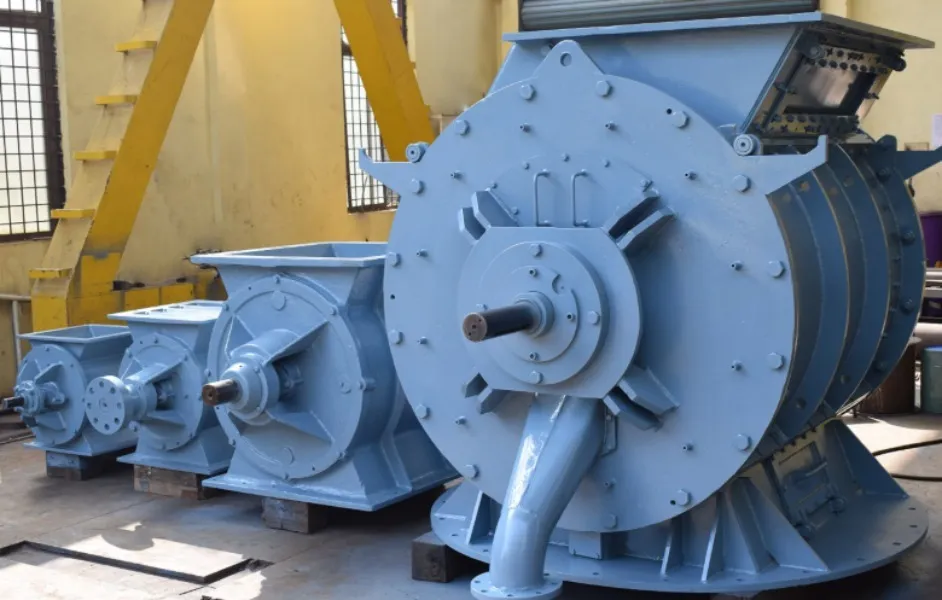
Bulk material handling systems depend on smooth, uninterrupted material flow. Whether dealing with cement, fly ash, limestone powder, minerals, chemicals, or grain, controlling the transfer of material between different process stages is essential for maintaining productivity. A Rotary Air Lock plays a vital role by regulating material discharge while preventing unwanted air leakage between equipment operating under different pressure conditions.
As industries across Hyderabad and Telangana continue investing in automated production systems, rotary air locks have become an integral component in pneumatic conveying systems, dust collection units, and storage silos.
What Is a Rotary Air Lock?
A rotary air lock is a mechanical valve with a rotating rotor fitted inside a closely machined housing. As the rotor turns, it transfers bulk material from one chamber to another while maintaining an effective air seal.
This unique design allows solids to pass through without permitting excessive air movement between connected systems.
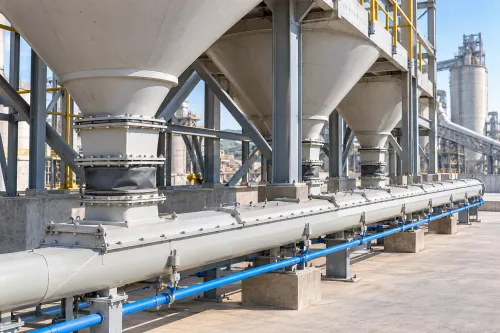
Rotary air locks are commonly installed beneath hoppers, cyclones, bag filters, dust collectors, and storage bins where controlled discharge is required.
Why Air Sealing Is Important
Many industrial processes rely on pressure differences to transport or process materials. If air leaks between systems, it can reduce efficiency and create operational problems.
Poor air sealing may result in:
- Reduced pneumatic conveying performance
- Dust leakage
- Pressure imbalance
- Higher energy consumption
- Material flow interruptions
- Product contamination
- Increased maintenance requirements
A properly designed rotary air lock minimizes these issues while supporting stable plant operations.
Industries That Frequently Use Rotary Air Locks
Rotary air locks are widely used in industries that process dry bulk materials.
Some common applications include:
- Cement manufacturing
- Thermal power plants
- Mining and mineral processing
- Steel plants
- Chemical industries
- Food processing
- Pharmaceutical manufacturing
- Fertilizer production
- Biomass handling
- Dust collection systems
Different applications require varying rotor designs, clearances, and material specifications depending on process requirements.
Key Benefits of Installing a Rotary Air Lock
Industrial facilities use rotary air locks because they offer several operational advantages.
Maintains Pressure Differential
The primary function of a rotary air lock is to preserve pressure differences between connected equipment while allowing continuous material flow.
Supports Dust Control
Effective sealing reduces airborne dust, contributing to cleaner working environments and improved equipment performance.
Ensures Controlled Material Discharge
Consistent discharge rates help downstream equipment operate more efficiently without sudden surges or interruptions.
Improves Energy Efficiency
Preventing unnecessary air leakage reduces the workload on blowers and pneumatic conveying systems.
Suitable for Continuous Operations
Heavy-duty rotary air locks are designed for continuous industrial use, making them ideal for high-capacity manufacturing environments.
How to Select the Right Rotary Air Lock
Several technical factors influence equipment selection.
Engineers generally evaluate:
- Material characteristics
- Bulk density
- Particle size
- Operating temperature
- Pressure differential
- Required discharge capacity
- Rotor configuration
- Housing material
- Abrasion resistance
Selecting equipment based solely on pipe size or capacity may lead to reduced efficiency and premature wear.
Common Maintenance Practices
Routine maintenance helps ensure long-term reliability.
Recommended practices include:
- Inspecting rotor clearances
- Monitoring bearing condition
- Checking shaft seals
- Cleaning accumulated material
- Inspecting drive assemblies
- Verifying rotor alignment
- Replacing worn components before failure occurs
Preventive maintenance minimizes downtime while improving equipment life.
Supporting Reliable Bulk Material Handling
Modern manufacturing facilities in Hyderabad and across Telangana require dependable material handling equipment capable of operating continuously under demanding conditions. Rotary air locks contribute significantly to efficient pneumatic conveying, cleaner operations, and better process control.
Engineering companies with expertise in heavy industrial equipment can design rotary air locks suited to specific production requirements. SREE ENGINEERING ENTERPRISES manufactures industrial material handling equipment, including rotary air locks engineered for reliable performance across various sectors. Businesses evaluating bulk handling solutions can also learn more about the company's engineering capabilities through sreeengineering.net.
Selecting the right rotary air lock helps improve production efficiency, reduce dust emissions, protect conveying systems, and maintain reliable plant operations for years to come.
Keywords